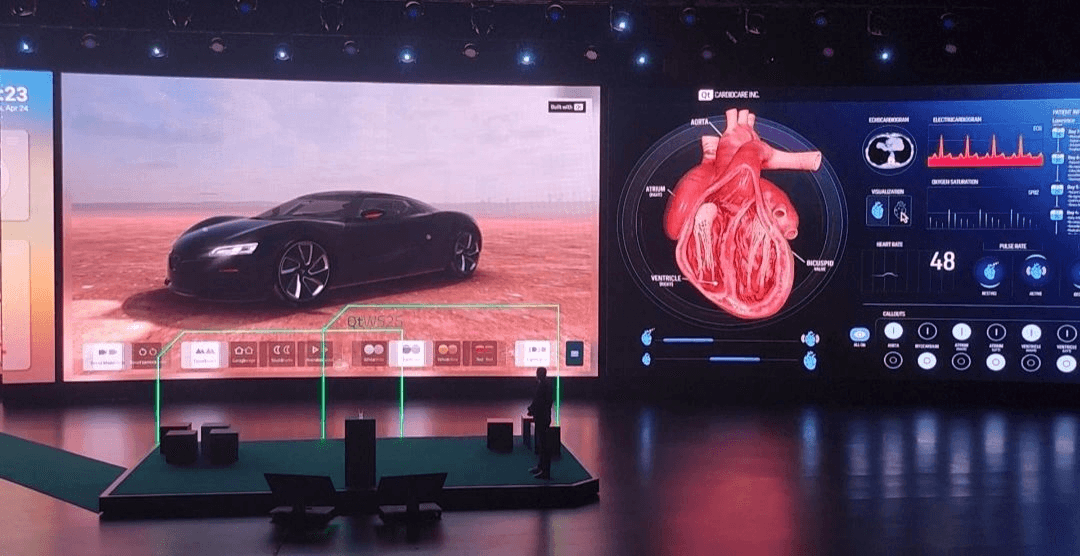
EchoCardio
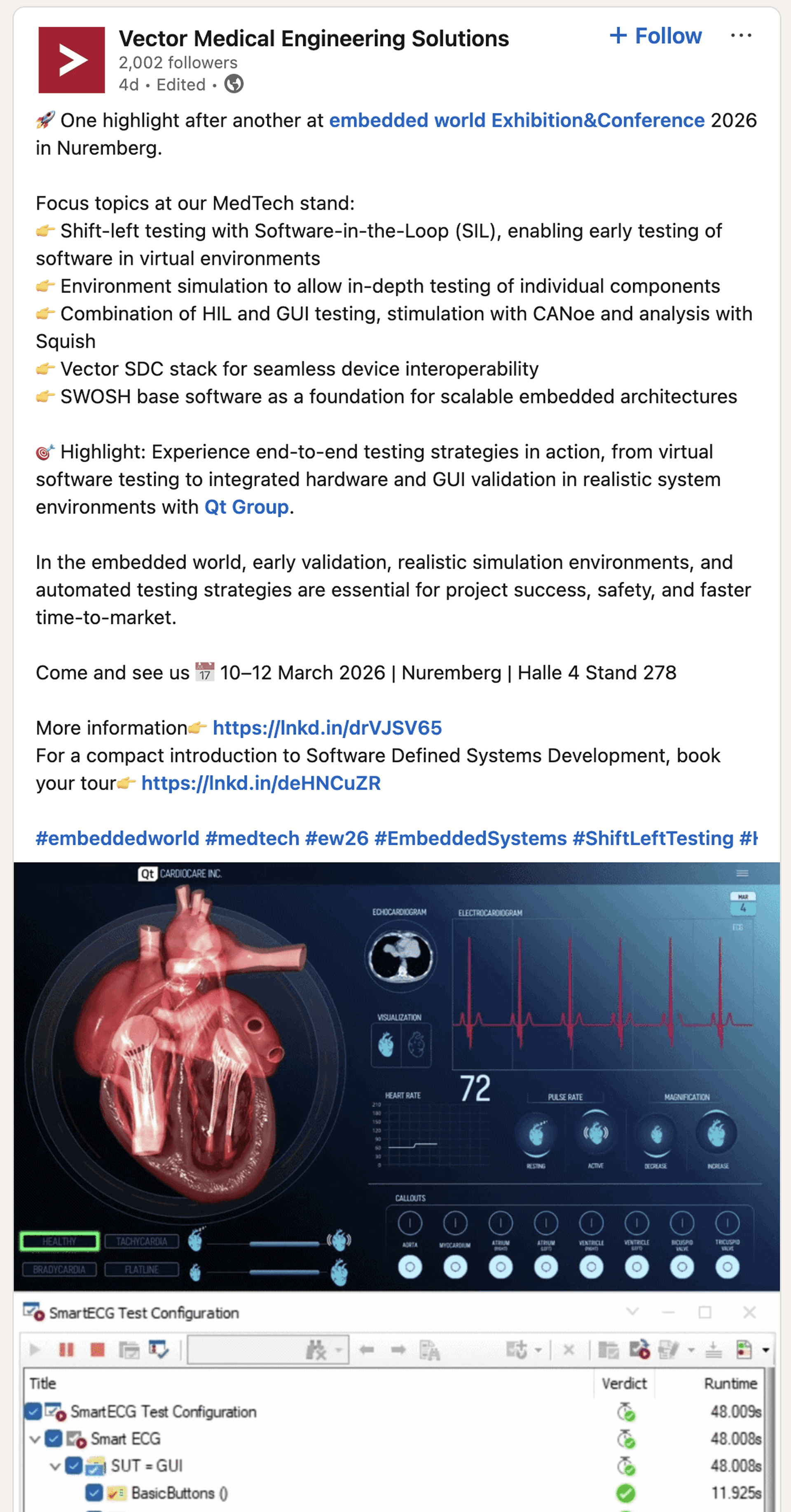
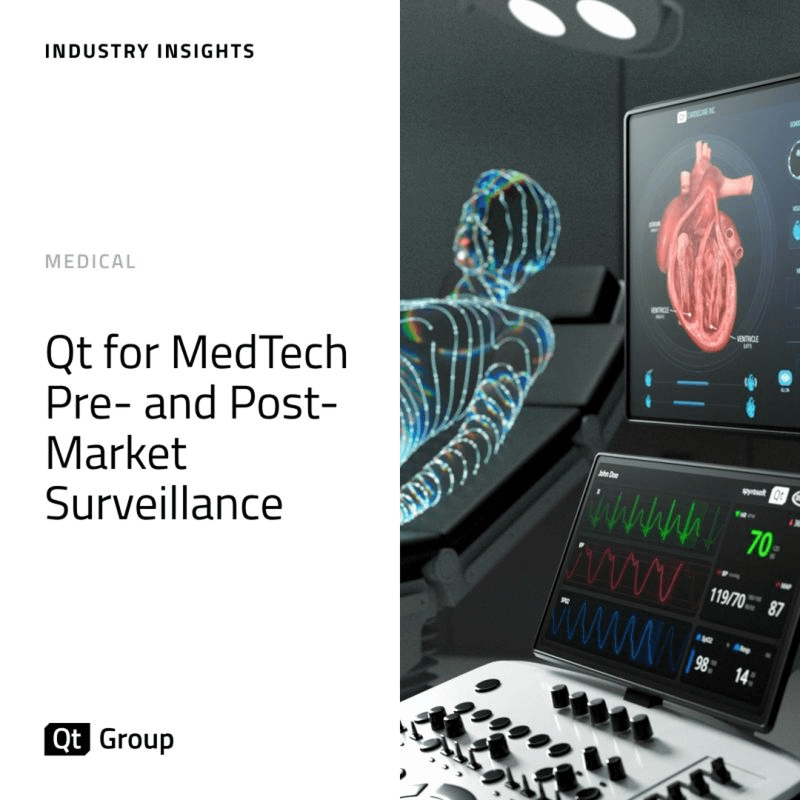
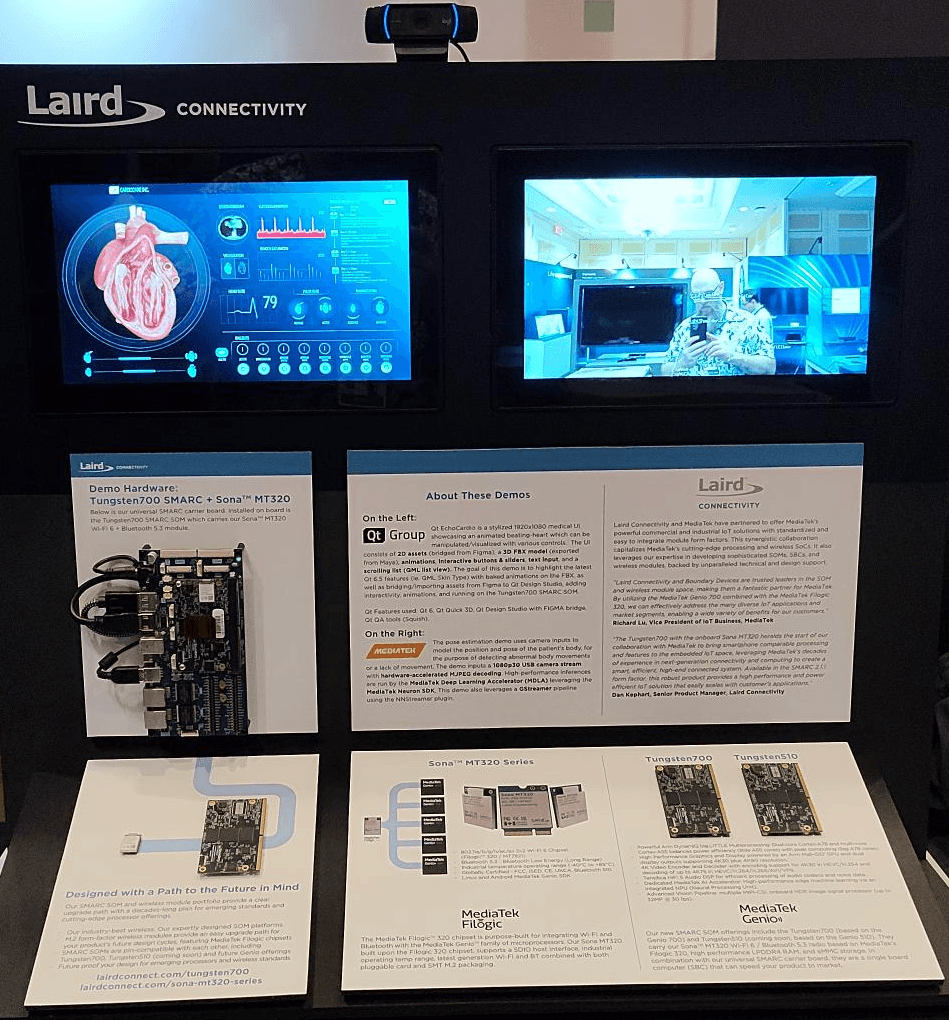
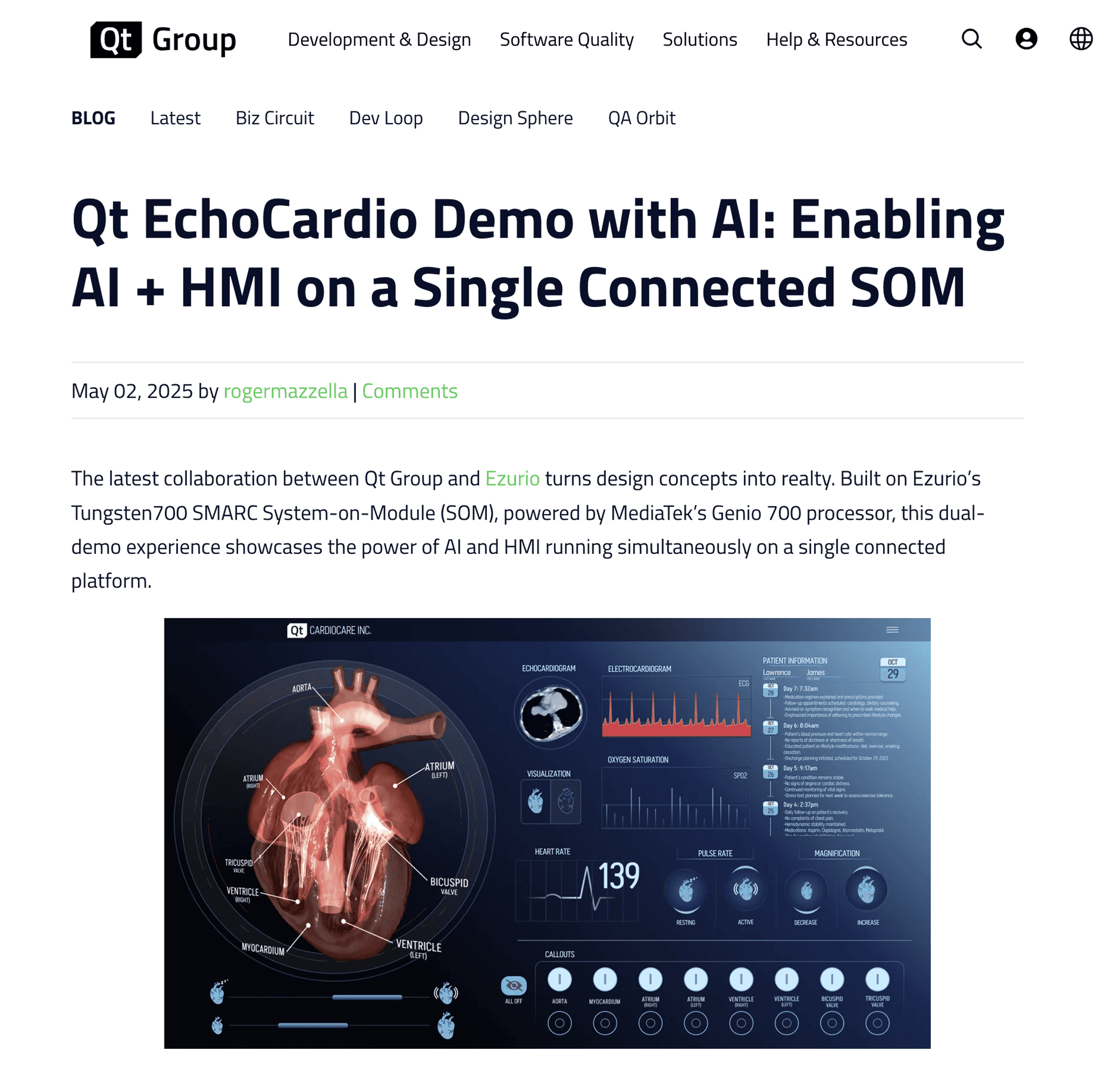
EchoCardio is a modern medical UI built to turn complex technology into an engaging, hands-on experience. Anchored by a fully animated, interactive beating heart, the interface seamlessly blends refined 2D design with immersive 3D visualization.
Through fluid motion, responsive interactions, and intuitive controls, EchoCardio demonstrates the real-world power in a polished, production-ready context. Designed to perform reliably across platforms, it delivers a bold, high-impact vision for the future of modern HMI design.
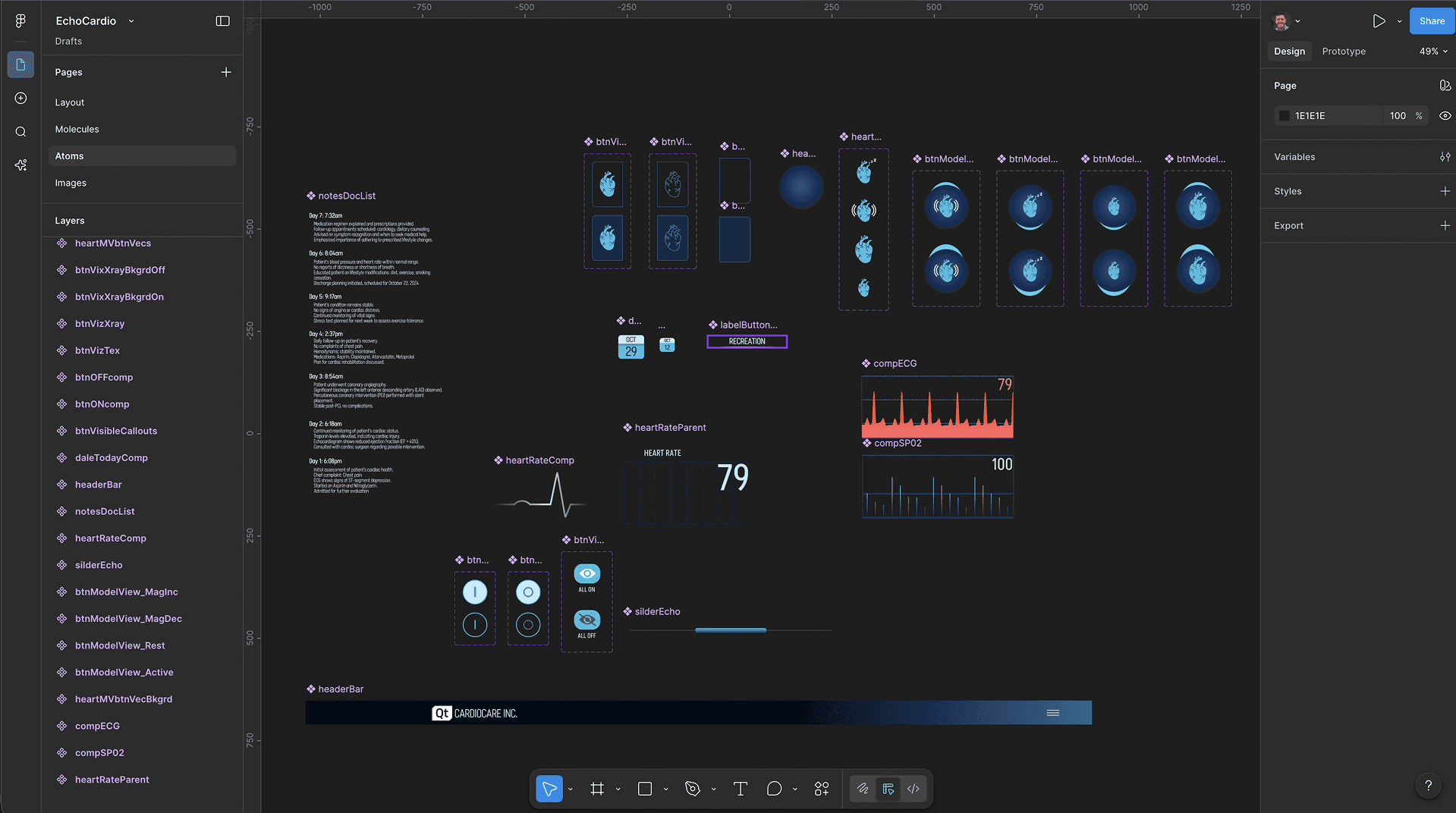
Understanding the Objective
The experience had to blend 2D and 3D visuals, showcase newly introduced features in Qt 6.5, and remain performant on physical hardware for live conference demos. All design, asset preparation, and front-end implementation needed to be completed end-to-end within a three-week timeline.
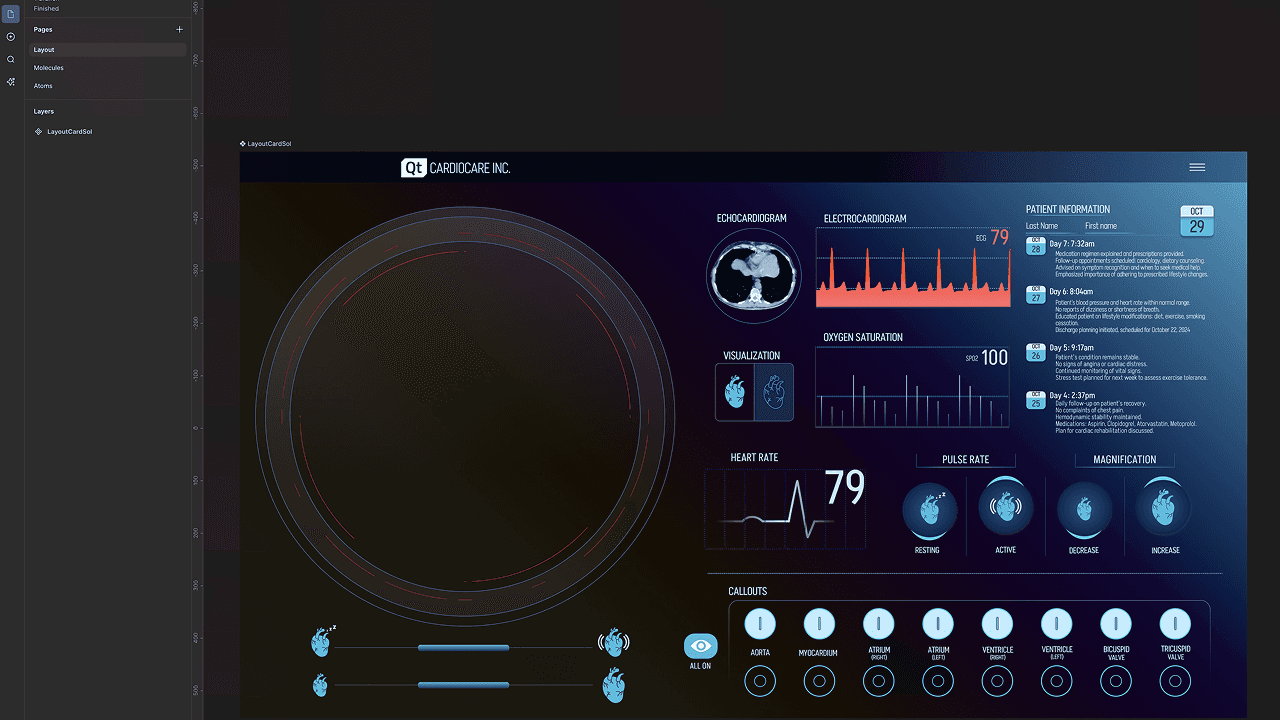
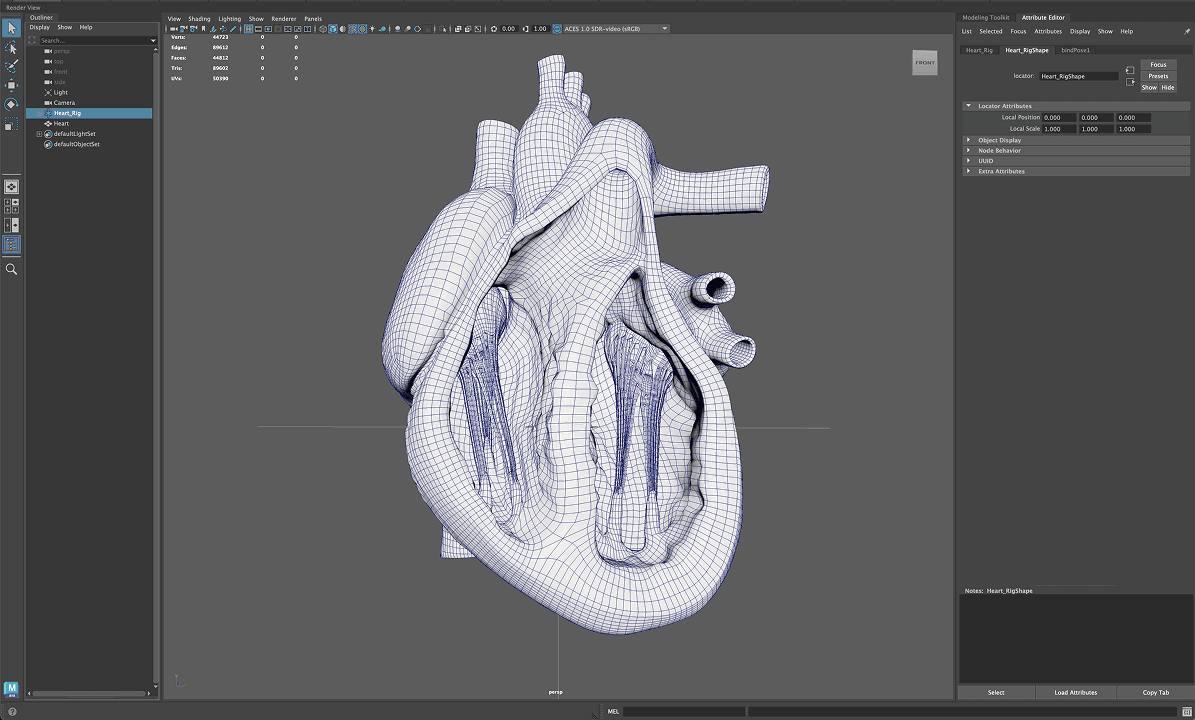
Designing with Intent
The demo can run on a number of platforms, including Windows/Mac/Linux desktop, Android and iOS mobile devices, and embedded systems running QNX and other operating systems.
In Conclusion
I delivered a modern, high-impact medical interface that ran smoothly on target hardware, attracted attention on the show floor, and successfully communicated advanced platform capabilities through an interactive, production-ready demo. Today, this UI has 10 branches in GIT, all utilizing the design to showcase other Qt features like QA testing.